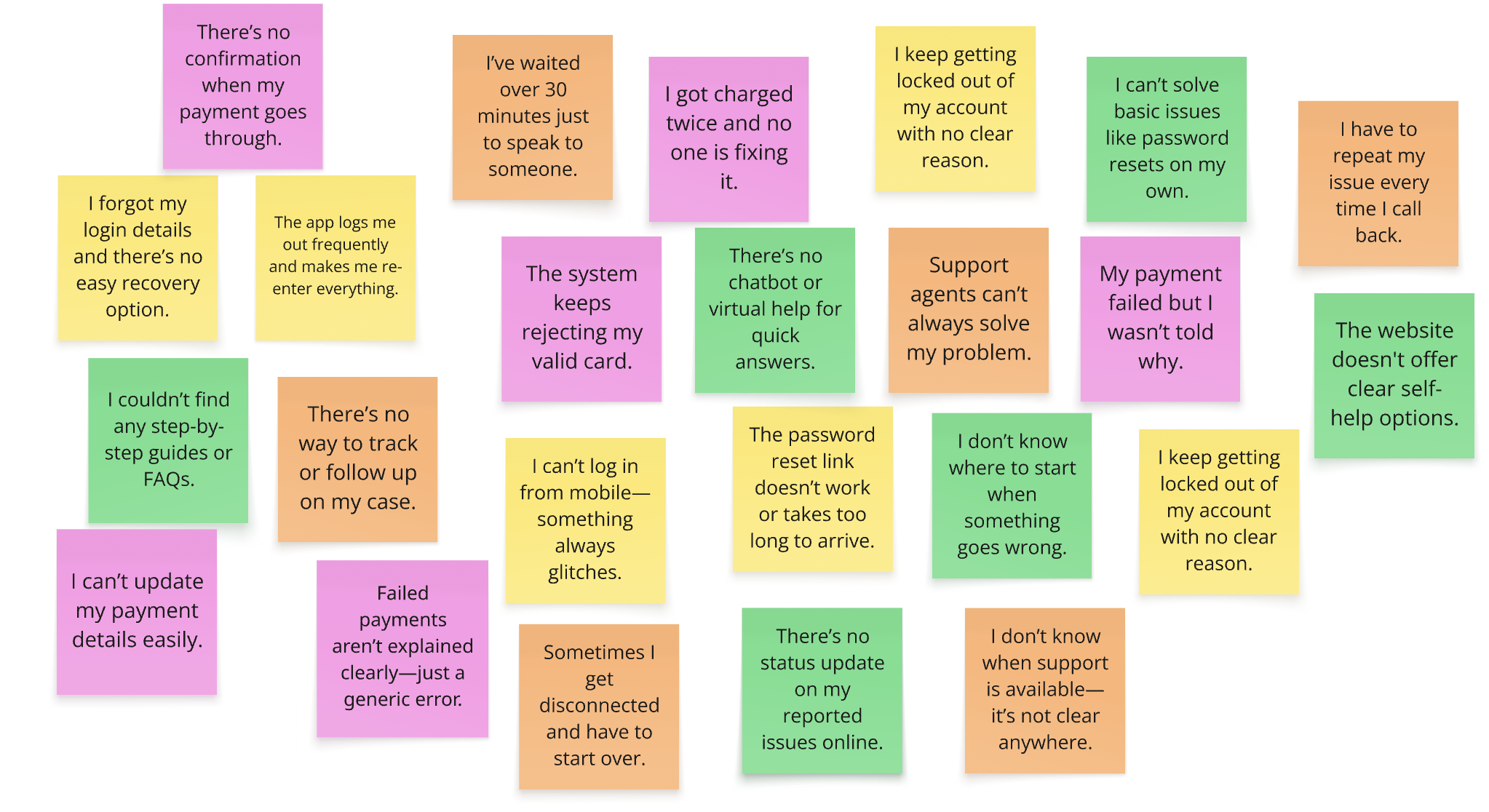
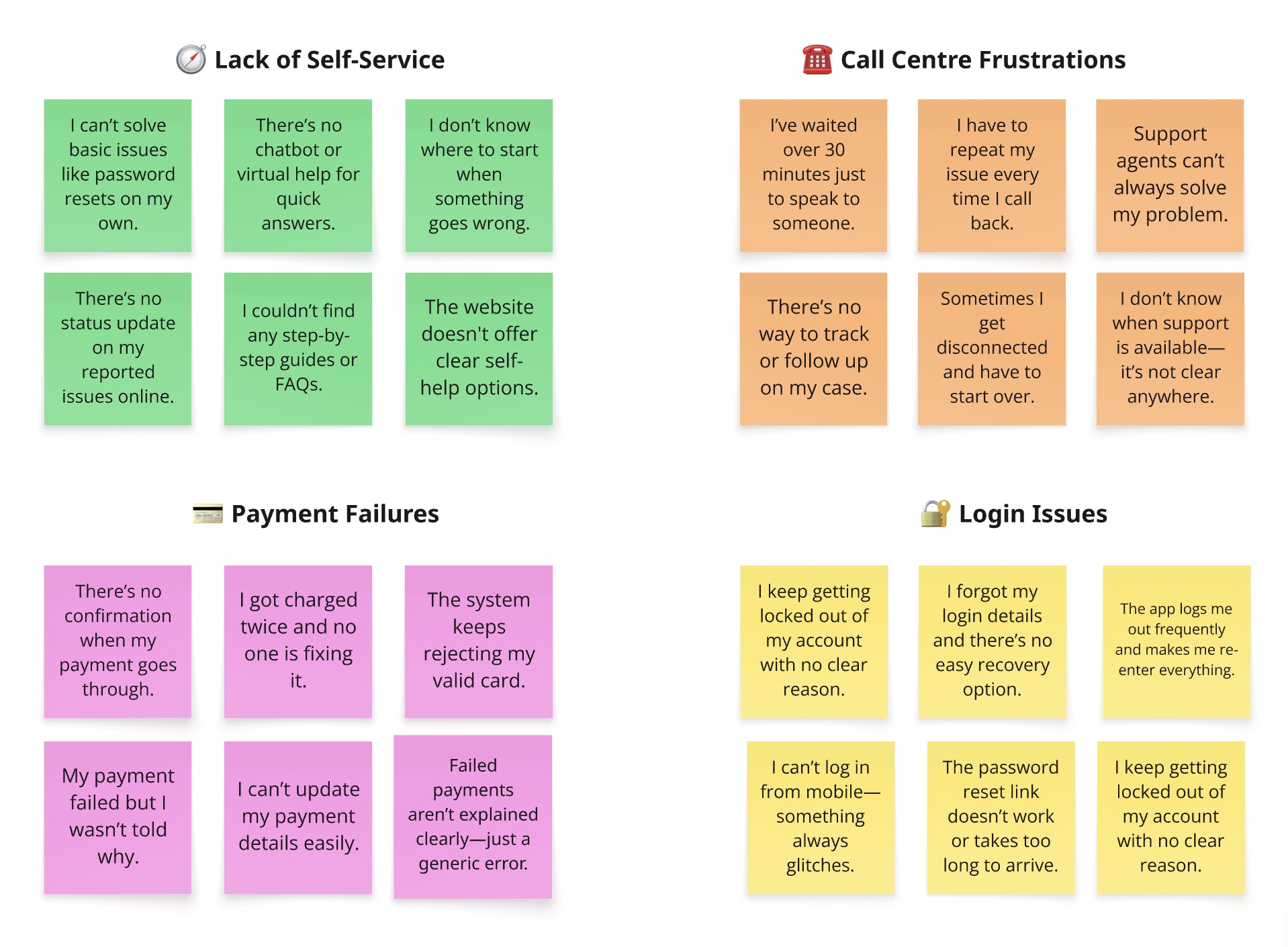
The Cool Kind Co. is currently facing a significant surge in customer complaints related to its digital products, with the most common issues involving payment failures and difficulties logging into the platform. At present, customer support is only accessible through a call centre, which is struggling to manage the overwhelming volume of incoming calls. As a result, agents are overburdened, and customers are growing increasingly frustrated with long wait times and the lack of simple, self-service solutions for resolving basic issues.
A product which is designed to significantly enhance the user experience by providing robust self-service options that empower users to resolve issues independently. With clear, accessible information addressing common questions, users can quickly find the support they need without external assistance. Interactive tools such as chatbots, dynamic FAQs, and intuitive help centers offer real-time guidance, while streamlined navigation ensures seamless access to resources.
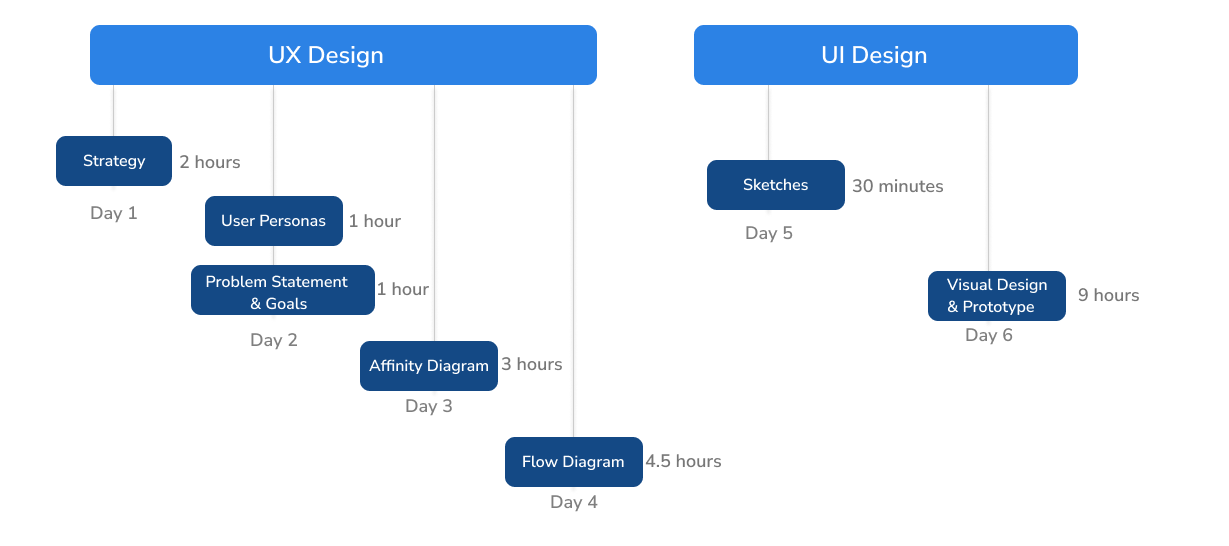
I adopted a systematic and iterative approach to the creation and development of the digital product, ensuring it effectively meets both user needs and business objectives. By following a structured design process, I maintained a strong focus on the user at every stage—from initial research and ideation to prototyping, testing, and refinement. This approach allowed me to break down complex challenges into manageable steps, ensuring no critical phases, such as user testing or validation, were overlooked.
I created user personas to understand the diverse needs of people interacting with our Help Centre and AI chatbot. This helped me design intuitive, inclusive experiences that cater to users with different levels of digital confidence. The personas also guided content tone and chatbot flows to feel more supportive and human .
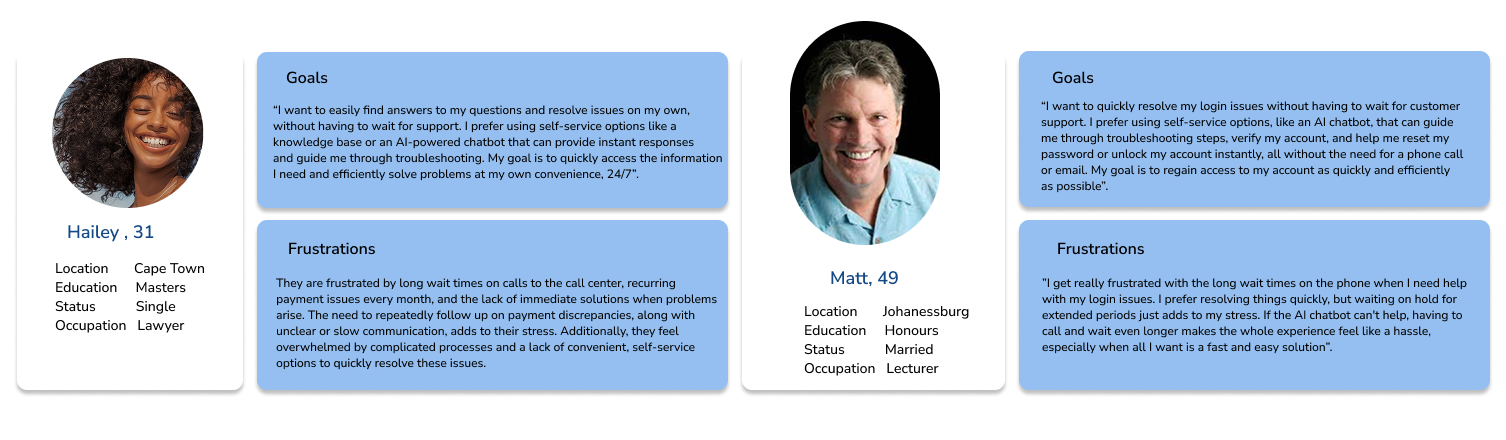
I created user personas to understand the diverse needs of people interacting with our Help Centre and AI chatbot. This helped me design intuitive, inclusive experiences that cater to users with different levels of digital confidence. The personas also guided content tone and chatbot flows to feel more supportive and human .
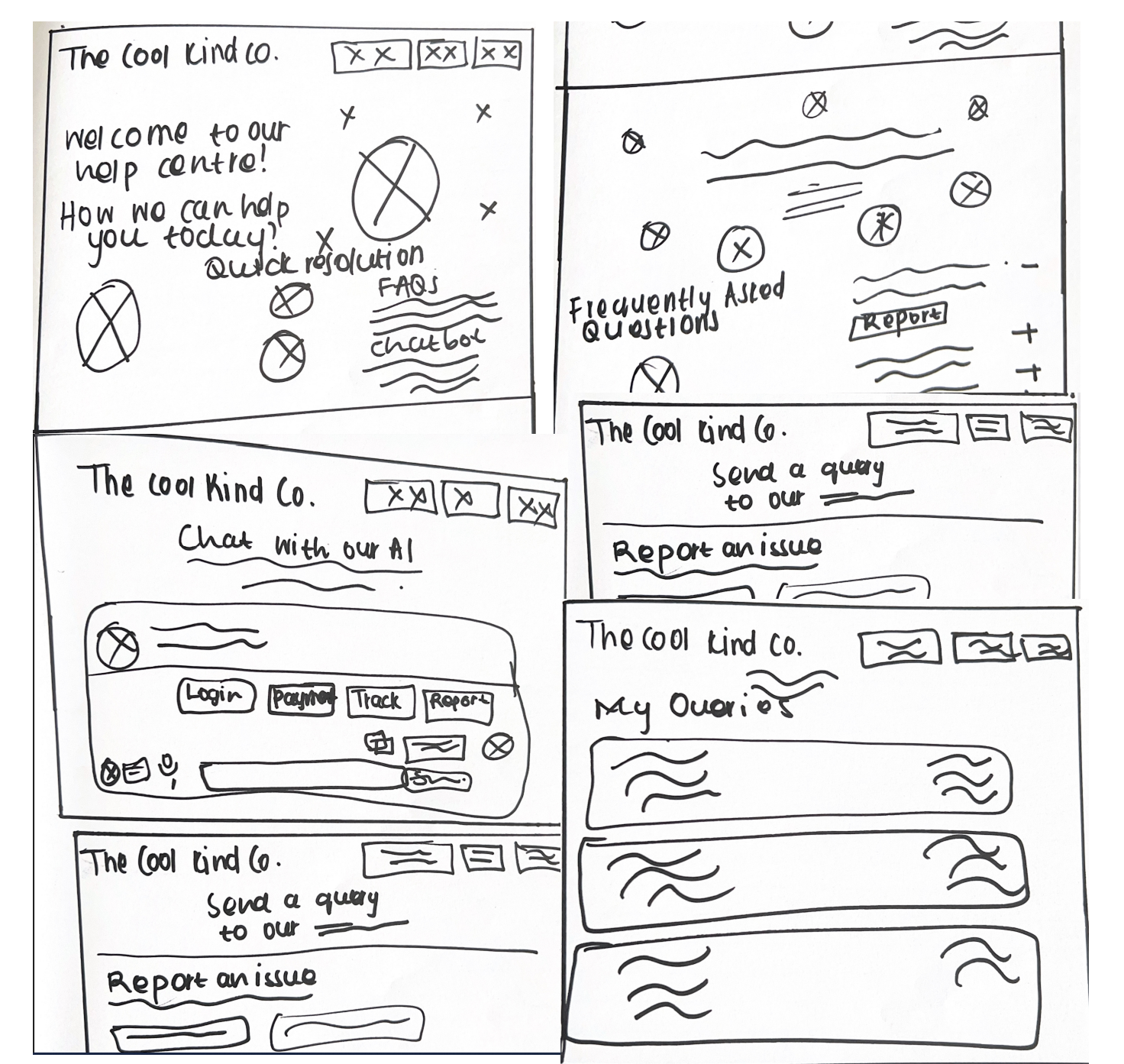
I created hand-drawn sketches to quickly visualize layout ideas, which allowed me to iterate rapidly and experiment with different UI elements for the website.
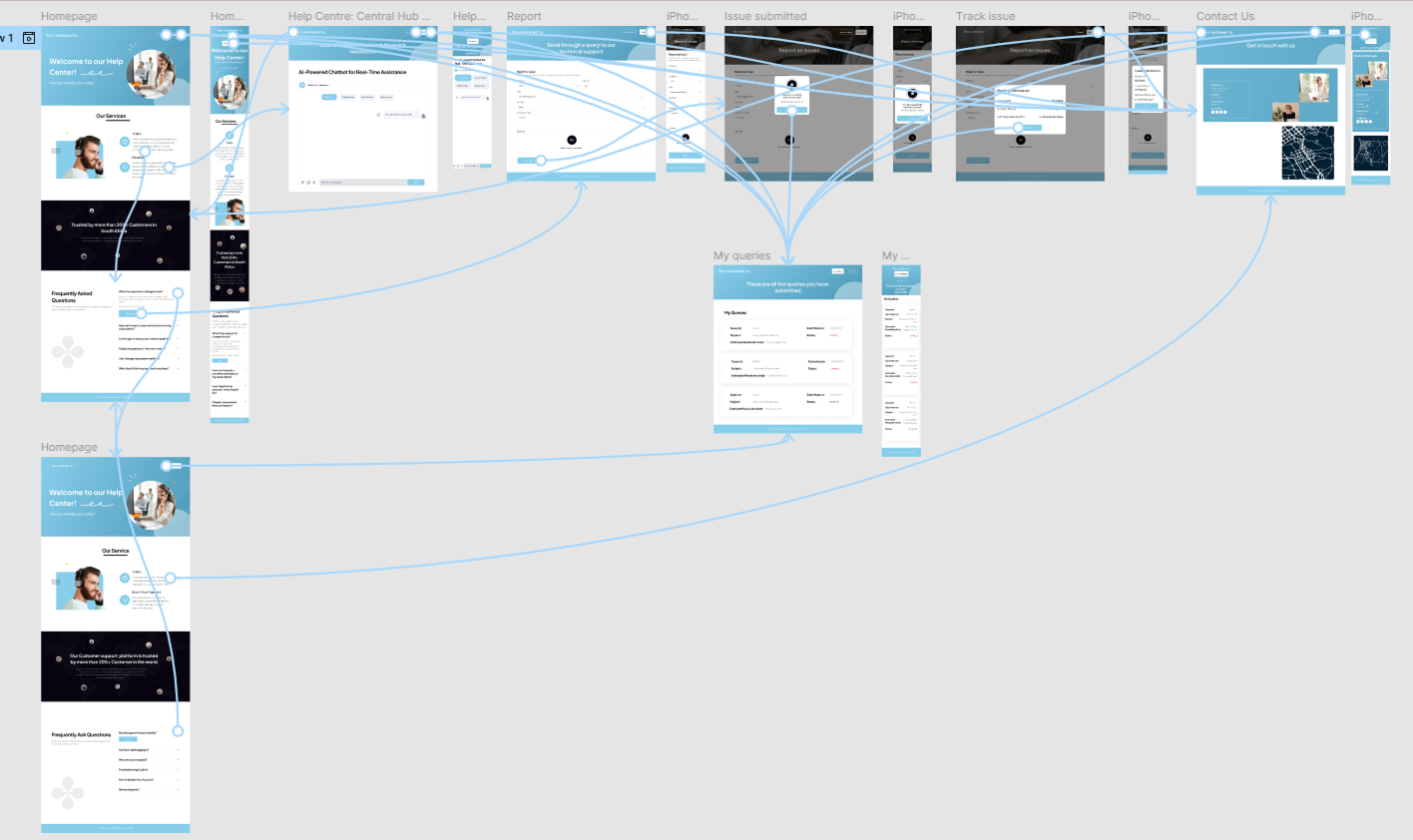
I used the insights from my flow diagrams and sketches to create a high-fidelity prototype in Figma. This prototype allows users to interact with the website experience the website firsthand.